
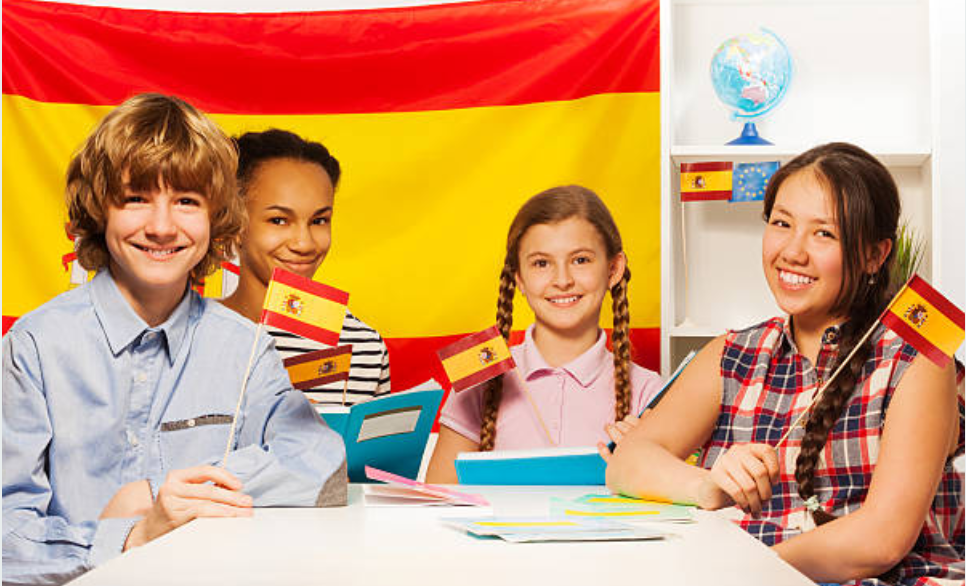
How to Choose Spanish Classes
It is quite possible that you have been thinking for a long time that you want your children to learn to speak Spanish. Maybe you have heard stories about foreigners who learn the language for their vacation in the USA, or other places. You may even have a couple of friends.

Learning Spanish Online
It is quite possible that you have already been exposed to Spanish culture. Perhaps you have even read or visited a place that is considered to be Spanish. Regardless of when you have been exposed to it, there is still a wealth of information and language innate in learning the Spanish language.
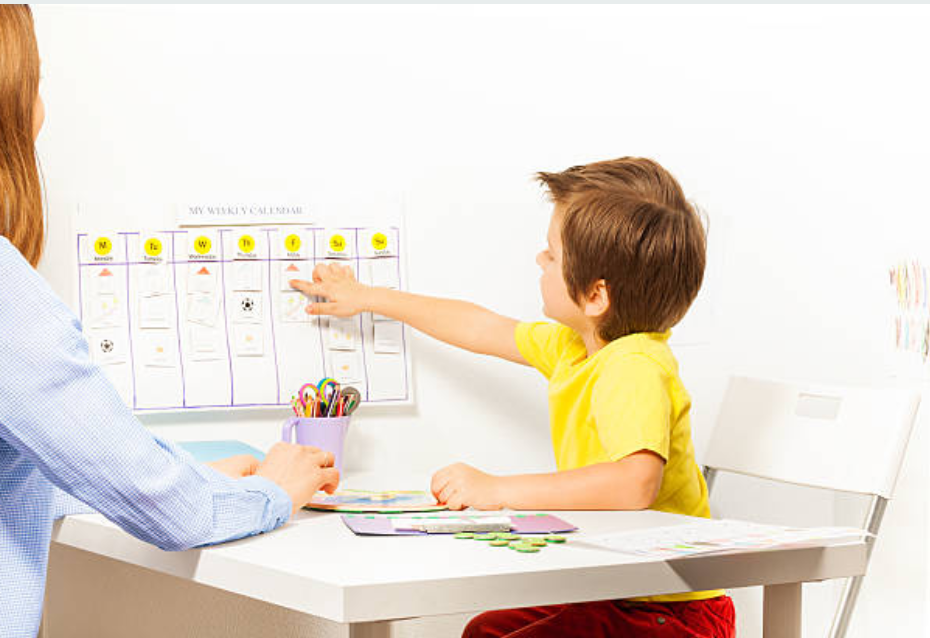
Preschool Programs
One of the most important skills that a preschool and kindergarten student should have is being able to sit still and concentrate. Young children need to spend most of their time active and have lots of opportunities to move and play. It’s important that the classroom setting.





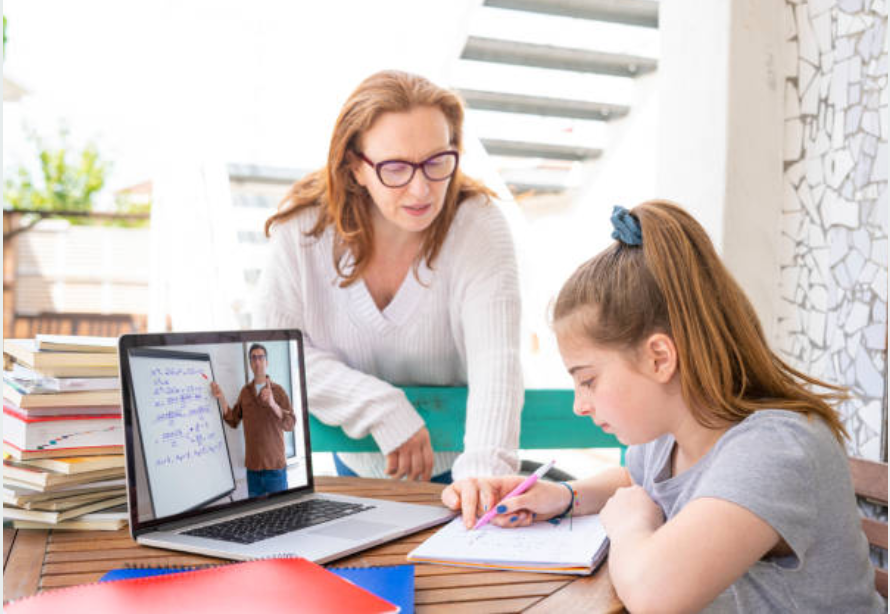


Learning Spanish Online
It is quite possible that you have already been exposed to Spanish culture. Perhaps you have even read or visited a place that is considered to be Spanish. Regardless of when you have been exposed to it, there is still a wealth of information and language innate in learning the Spanish language. Indeed, it is possible to learn Spanish from your Spanish language exposure, but learning it for your children can be a bit more difficult.
Spanish is spoken by over 100 million people worldwide, is an official language of several countries, and is included in the Oxford English Dictionary. But learning the language means owning your own copy of the dictionary. In other words, learningSpanish.comcan help your children learn the Spanish language.
The website offers a learning Spanish section that offers activities and lessons designed to help your children learn the language. It goes into detail about the uses of Spanish verbs, nouns, adjectives, etc. There is a Free Spanish Language Activity Booklet for teachers and students that can help start the kids into the learning process.
There are several resources for learning Spanish online. Kids are able to track down free activities in online kids magazines, Spanish websites, music, audio books, and more. A good thing is that kids can learn Spanish in their own way. The goal of the website is to help kids enjoy learning how to speak and understand other languages. The website does not advocate or support the use of illegal substances.
A related website that may be helpful to kids is Language Careers. This website was created to give young students the career guidance they need as they learn to speak English. Much of the guidance focus is on the use of movies and television to speak English. There are also activities that teach children how to communicate with friends online.
Both of these websites teach kids in Spanish how to learn Spanish. Children can reinforce their learning when they watch the educational programs. parents may find it useful to also utilize these tools.

Courage is something that kids have in abundance. Teach them courage by using their favorite toys as instruments for speaking. For example, when learning the Spanish for “CANCELLING”, kids can elect to speak through their favorite toy mouse. Their choices of words will be limited and they will be required to speak the words in Spanish as if the mouse were actually speaking. This is a fun way for kids to be involved in the world of education.
There are a number of Programs and Games that help build up multiple language skill. Learning Spanish online is a great way for kids to build up skill in order to be able to speak the language when they move out of their home country.
I hope that you have enjoyed this short article. Learning how to speak another language is a rewarding experience. The type of job that your child can get from being taught how to speak a different language is a deciding factor on whether or not your child will learn the language. Make sure that your kids are aged 15 or over, have access to a computer, and that you have experienced internet exposure. Passing a skill test is not necessary but is a forward step in your child’s future. Teaching a child to be able to learn Spanish is a rewarding experience. Your child will definitely be proud of the fact that he or she can speak some of the most famous languages in the world.
How to Choose Spanish Classes
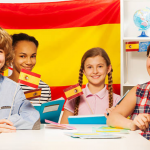
It is quite possible that you have been thinking for a long time that you want your children to learn to speak Spanish. Maybe you have heard stories about foreigners who learn the language for their vacation in the USA, or other places. You may even have a couple of friends who have traveled to Spain to teach, or even go as a paid interpreter. You may even know other native languages, like English, or other countries that have a significant Spanish speaking population like Brazil or Mexico.

Whatever your reasons for attaining Spanish classes, you will want to carefully review and learn all of the details of the process you taking when choosing a school to enroll your children in. There is a process you should put in place before you decide to initiate a formal process. This will help you avoid the problems that can happen to everyone’s kids when they choose to learn to speak Spanish.
Do your homework before you decide to enroll your children in a Spanish school. Make sure the school is licensed and accredited. Ask questions and get answers. Make sure the school offers a professional tutor. When you have an opportunity to meet with this person, sit in on their home and talk to them and observe their teaching methods. You may very well learn something about the school and the way they teach.
Once you have done this you can decide if your children are a good fit at the school. Some students do not do as well with the native Spanish speakers as others do. This is why you should get the answers to all of your questions and be sure the school has a reason for choosing your children as they do.

If you (or someone you know) are interested in finding Spanish classes for your children, send us a detailed letter. Include your children’s names, phone number, and address. You will want to write about your experience with the school and the way they are teaching your children. If they are a little hesitant about speaking in Spanish, perhaps you can point out a few places where they need to purchase authentic materials to be able to learn.
We would like to invite you to visit our web site where we have a bunch of ebooks and other resources:http://www.asm.org/isanlanguagelearning/ebooks.html. Here you will also find a short list of questions that you might want to ask our Spanish speaking friends so that they can become successful at passing the Spanish language exam.
Although it is not compulsory, it is very helpful to consider studying Spanish while you are living in Spain. It is easier to get by without knowing the language. But, if you plan to go work and live in Spain for a number of years, then you should definitely consider learning the language.
One of the most important things to remember is that if you go to live in Spain, you will be required to speak Spanish. It may be a small amount of money, but it will buy you a lot of postage. Spanish speakers make a valuable asset to any business.
Also, consider the fact that you will learn Spanish here. It is not going to be handed to you on a silver platter. You will learn as you go and that is a beautiful thing about learning a foreign language.
uous times, and we all know what can happen.
Preschool Programs
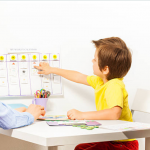
One of the most important skills that a preschool and kindergarten student should have is being able to sit still and concentrate. Young children need to spend most of their time active and have lots of opportunities to move and play. It’s important that the classroom setting provide the children with opportunities to move and play so that they can develop good dexterity and coordination.
Young children can’t sit still very long if they stay with their parents. It’s always best to let the kids play with an adult at home before going to school with them. This is mainly for their safety. It’s a known fact that children who are played with by their parents have better social skills and are more interactive and willing to learn.

So how does a parent choose a preschool or kindergarten program? There is no way to really know how a child will react or perform until the program has started. So it is a good idea to spend some time with the child, especially a toddler, and observe the way they react to others, and their general sense of well being. Does the child interact with the same children consistently? Do the children have fun, look happy and do you sense that the child enjoys being there?
The program you pick should be a personal one that matches the individual child. If the child is able to socialize with other children then you want to be sure the program has something to do with this. Children who socialize with children their own age will have more of an opportunity to build good relationships, learn social skills such as trust, and be able to work with others without beingsted.
Know ahead of time who will be teaching your child. If the child’s name is prefixed with a “don’t” then you want to be sure that your child will be able to sit still and concentrate for long periods of time. preschool programs begin with a strengths based curriculum and this is rarely changed. It is best to enroll your child in a program that will build their foundation slowly. An example of this is Boston’s Montessori Private School.
Next, you need to figure out what your child is learning at school. This is measured by such things as math and reading scores. An easy way to determine this is to look at what programs are available in your area. Make sure the school has a good variety of classes and explore their curriculum.

At this point, you need to identify what subjects are going to be taught. This can be difficult because education curriculum can be confusing. Don’t be afraid to ask questions. If the school is new to your area, they may not have a clear answer. However, if they have a reputation for being good, ask for a recommendation. Another way to figure out what the school is capable of is to speak to alumni. Large companies that have worked with this type of preschool will have a good idea.
Finally, you need to figure out how much the tuition costs. This can vary considerably, depending where the school is located in relation to other schools in the area. If the school is new to your area, it may be worth it to compare schools in the area to see if the cost at this school matches what you expect to pay. If you prefer a school close to home, you may not spend as much as one far away.
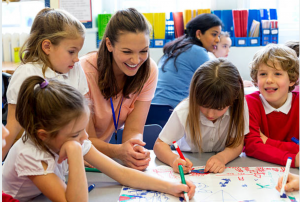
There are many preschool programs that work with children who have not been diagnosed with any medical conditions. Many of these programs are very comparable to daycare centers. The one thing that helps your child most is the quality of the staff in a preschool program. If the teachers are able to kind words with your child, as well as encourage them to actively participate in their education, your child will view their learning as important.
In the end, it is hard to say which preschool programs are the best. Because each program has their own strengths, it is difficult to choose on one specific program over another. The best education is offered by a combination of both. pick the program that matches your child’s needs best and stick with it.

Learning Spanish Online
How to Choose Spanish Classes
Preschool Programs